Categories

Problems with the detector? Sometimes the problem isn't in the sample.

This article addresses the most common HPLC detector failures and how to identify their source. It distinguishes between electronic problems, which should be resolved with the manufacturer, and mechanical or optical failures, which typically focus on the flow cell. Warning signs such as bubbles, contamination, or high pressure are also detailed, and critical maintenance aspects are mentioned, such as lamp status or parameter settings such as gain and response time. The text provides practical advice for diagnosing and preventing errors that directly affect the quality of chromatographic analysis.


Cuando algo falla en el detector, el síntoma puede ser sutil o llamativo: una línea base ruidosa, picos inestables o una caída inesperada en la sensibilidad. Lo primero es saber de dónde viene el problema, ya que suele tener dos orígenes posibles: electrónico o mecánico/óptico.

Los fallos electrónicos —como errores de conexión o circuitos dañados— deben ser atendidos directamente por el fabricante del equipo. Pero muchos de los problemas más frecuentes están relacionados con la celda de flujo, el corazón óptico del detector.

Señales de alerta que pueden indicar un problema en la celda:

  • Burbujas de aire atrapadas

  • Contaminación interna

  • Fugas o presión excesiva

  • Daños por mal manejo o desgaste

Todo esto puede traducirse en una respuesta reducida del detector, fluctuaciones en la línea base o incluso picos espurios. Además, algunos detectores, como los de índice de refracción, utilizan celdas especialmente sensibles a la presión: si se exceden los valores recomendados por el fabricante, el cristal de la celda puede romperse fácilmente.
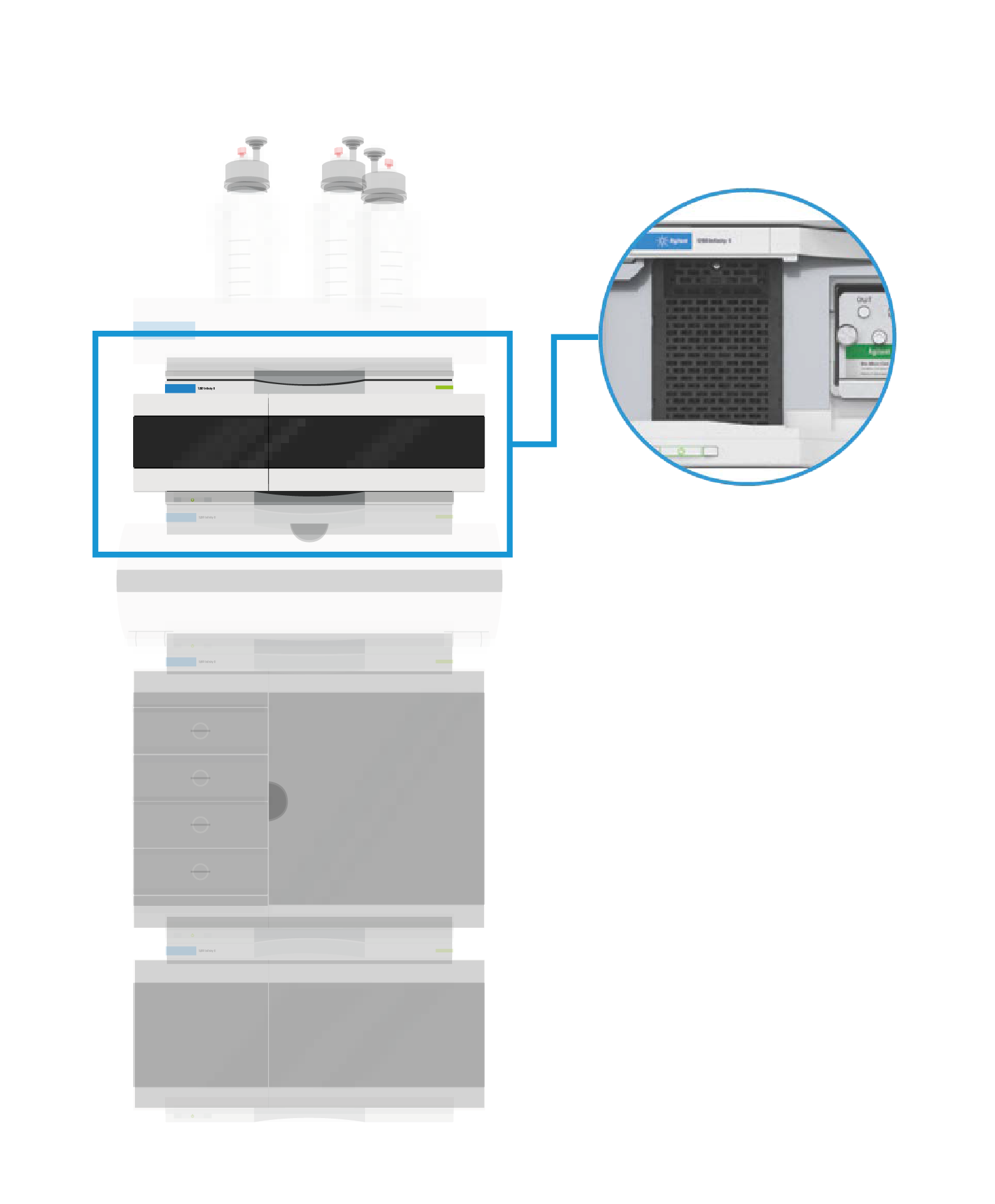
Tampoco hay que olvidarse del estado de los componentes internos del detector: una lámpara envejecida, un ajuste incorrecto del tiempo de respuesta o una ganancia mal configurada también pueden comprometer la calidad del análisis.


Artículos recomendados

See all
Oenological synergies: Winemaking with non-Saccharomyces and its control through precision analytics
A comprehensive technical analysis of the application of non-Saccharomyces yeasts (Lachancea, Torulaspora, Metschnikowia) in winemaking and their direct analytical control. We detail the laboratory protocol (NFA, lactic acid, and viability) to ensure perfect sequential inoculation.
PhenoVue™ CNS: Analytical certainty in the identification of neurons and glial cells
We analyzed Revvity's PhenoVue™ CNS, the all-in-one solution distributed by Proquinorte for the clear and reproducible characterization of hiPSC-derived neurons, astrocytes, and microglia
The engine of neurology: How neurons, astrocytes, and microglia cooperate
A fun, engaging, and informative journey through the secrets of neurology. Discover how neurons, astrocytes, and microglia work together in the backend of your mind to ensure everything functions perfectly.
Discover your gift