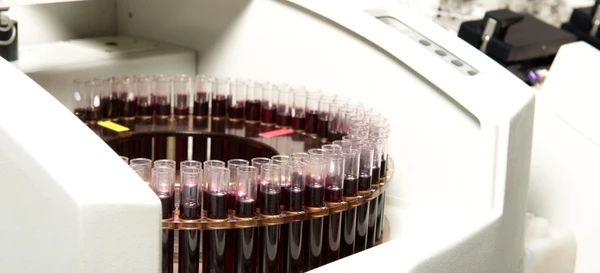
In contemporary winemaking, the pursuit of typicity, freshness, and sensory complexity is no longer at odds with microbiological safety. The use of non-Saccharomyces yeast cultures in sequential inoculation or co-inoculation has ceased to be a niche experimental trend and has become a well-established tool of industrial biotechnology. Its main objective is to shape the structural and aromatic profile of wine from the earliest stages of vinification, mimicking the diversity of spontaneous fermentation but under a completely controlled environment.
However, the introduction of these microorganisms adds a layer of complexity to the must ecosystem. For a technical director, the real challenge is not just inoculating the strain, but precisely monitoring its kinetics and metabolic impact before the introduction of Saccharomyces cerevisiae . This is where applied microbiology inevitably converges with precision analytics in the winery laboratory.
Microbiological tools and their metabolic targets
Non-Saccharomyces species are rigorously selected in the laboratory to exploit specific enzymatic capabilities (β-glucosidase, protease, or esterase activity) that S. cerevisiae possesses to a lesser extent or lacks entirely. The three most widely implemented biotechnological tools today are:
-
Lachancea thermotolerans (Integrated Biological Acidification): Faced with the alarming loss of acidity caused by harvests in warm climates, this yeast has become a viable alternative to chemical acidification. Through the lactate dehydrogenase pathway, it metabolizes sugars in the must (glucose and fructose) and transforms them directly into lactic acid (L-lactic). This allows for natural and stable pH reductions of up to 0.3–0.5 units , improving color vibrancy and protecting the wine against early bacterial spoilage.
-
Torulaspora delbrueckii (Structural Optimization and Glycerol): This is the perfect ally for high-end wines seeking volume and creaminess. It has an extremely low volatile acidity production (even in musts with high osmotic pressure, such as those from late harvests) and is a great producer of glycerol and cell wall mannoproteins. Furthermore, it minimizes ethyl acetate synthesis, clarifying the aromatic profile and enhancing fruit esters.
-
Metschnikowia pulcherrima (Active Bioprotection and SO2 Reduction): Its application focuses on the pre-fermentation phases and grape transport. Its mechanism of action is based on the synthesis of pulcherriminic acid, which naturally sequesters free iron ( Fe3+ ) present in the must. By depriving the environment of available iron, it prevents the growth of spoilage bacteria (such as apiculate yeasts of the genus Kloeckera/Hanseniaspora or acetic acid bacteria). This allows for a drastic reduction in the use of sulfur dioxide upon grape reception without compromising microbiological safety.
The challenge of the transition: Chemical-Biological Control Checklist
Having a limited tolerance to ethanol (generally ceasing growth between 5% and 9% alcohol by volume ), non-Saccharomyces bacteria gradually stop their activity. Right at this turning point, before performing the sequential inoculation with the Saccharomyces cerevisiae strain that will complete the process, the winery laboratory must run three critical analytical tests to ensure a clean transition and avoid fermentation stoppages:
-
📈 Control 1: Quantification of the kinematics of accumulated Lactic Acid
-
Laboratory method: Automated spectrophotometry or sequential flow enzyme analyzers.
-
Technical decision: When working with Lachancea , measuring the exact increase in this acid (stopping the process when values between 1.5 and 3 g/L are reached) will indicate the precise moment when the yeast has reached its metabolic plateau. You will know that the planned pH has been achieved and that it is the optimal time to introduce the finishing strain before the acidity gets out of control.
-
-
🧪 Control 2: Balance of Remaining Easily Assimilated Nitrogen (NFA)
-
Laboratory method: Specific enzymatic reagents targeting ammonia nitrogen and amino acids (rapid methods by spectrophotometry).
-
Technical decision: Non-Saccharomyces yeasts are voracious consumers of organic nutrients (amino acids) during the first 48 hours. Knowing the exact NFA (non-alcoholic fatty acids) available after their passage is crucial for recalculating the tank's feeding strategy. If the second yeast ( Saccharomyces cerevisiae ) enters a nitrogen-deficient environment, it will suffer kinetic stress, increasing the risk of stalls and triggering the synthesis of reducing sulfur compounds such as hydrogen sulfide ( H₂S , rotten egg smell).
-
-
🔬 Control 3: Evaluation of Active Cell Viability
-
Laboratory method: Counting in chamber using optical microscopy complemented with fluorescent stains of cell viability, or automated flow cytometry systems for storage.
-
Technical decision: This analysis allows you to visually verify that the inoculated strain has successfully colonized the medium against the wild microbiota and to assess its survival rate as the alcohol content begins to rise. If the population declines prematurely, the second inoculation should be accelerated to prevent the tank from becoming microbiologically unprotected.
-
Conclusion: The winery as a precision bioreactor
The key to successfully implementing new winemaking trends lies in eliminating chance from the process. Non-Saccharomyces yeasts offer an extraordinary range of organoleptic possibilities, but they require treating the winery as a precision bioreactor. Biotechnology applied to grapes only reaches its maximum economic and oenological potential when supported by rigorous, real-time analytical control, transforming laboratory data into the winemaker's most effective decision-making tool.