In recent weeks, Hantavirus has once again dominated headlines and conversations, generating a wave of doubt and misinformation. When public health becomes a trending topic, it is vital that healthcare professionals separate myths from scientific reality.
Today we analyze what this virus really is, debunk the most common myths, and tell you how current diagnostic technology allows it to be detected with complete certainty.
Debunking Hantavirus: What's real and what's not?
-
- Myth 1: "Hantavirus is easily transmitted from person to person like the flu."
- The reality: False. With very specific exceptions of particular strains (such as the Andes virus), Hantavirus is not commonly transmitted between humans. The main route of infection is the inhalation of aerosols from the saliva, urine, or feces of infected rodents.
- Myth 2: "Any mouse you see in your house can infect you."
- The reality: Not all rodents carry the virus. This reservoir is limited to very specific wild species (such as field mice). Common domestic rodents in cities are not usually vectors of this disease.
- Myth 3: "There are no reliable tools to detect it in time."
- The reality: On the contrary. Current molecular diagnostic technology and rapid tests allow for the identification of the virus with extraordinary accuracy, which is crucial for immediately activating the appropriate medical protocols.
- Myth 1: "Hantavirus is easily transmitted from person to person like the flu."
- The importance of a quick and accurate diagnosis
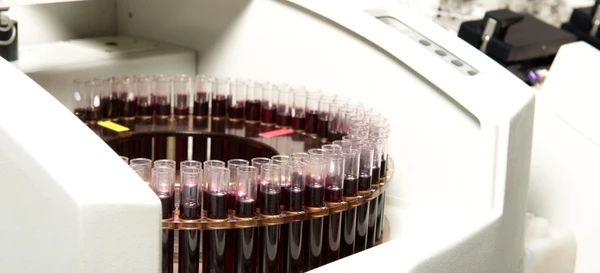
Since the initial symptoms of Hantavirus can be confused with a common flu or mild viral processes (fever, muscle aches, fatigue), laboratory diagnosis is the only definitive tool to ensure patient safety.
At Proquinorte, we are committed to bringing scientific technology to your laboratory. Therefore, we offer this reagent upon request.
Do you need to incorporate this solution into your laboratory?
We understand that every research and diagnostic center has unique technical requirements and workflows. If you're interested in Ustar's Hantavirus detection kit or want to learn how to integrate it into your testing routines, don't hesitate to take the next step.- Contact our product specialists: Our technical team is at your disposal to answer any questions, provide you with detailed specifications and advise you in a fully personalized way.