Categories

Sustainable Science: How Biobased Plastic is Transforming the Laboratory

In the last decade, sustainability has gone from being an option to becoming a necessity within research environments. Laboratories generate a considerable amount of plastic waste, but Eppendorf is leading the charge towards a greener future with its new line of BioBased consumables.


What does it really mean for plastic to be "biobased"?

Unlike conventional plastics derived from petroleum, biobased products are manufactured from renewable and reused resources . In the case of Eppendorf, 100% bio-based polypropylene is used . This means that the raw material comes from vegetable sources, helping to close the carbon cycle and reducing dependence on fossil fuels without compromising the technical quality that the laboratory requires.

54% reduction: Less plastic, more efficiency

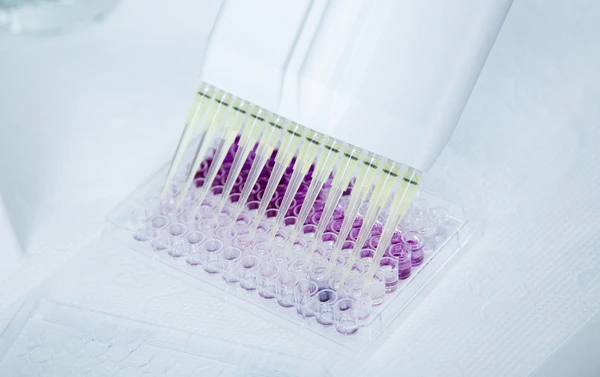
One of the biggest successes in this range is the redesign of its supply systems. For example, epT.IPS® BioBased pipette tips in soil are sustainable due to their material, as well as their shape:

  • The refill system allows you to use 54% less plastic compared to traditional methods.
  • They are available in volumes up to 1,250 µL and in different qualities such as Dualfilter and SealMax® .

A real impact on the carbon wall

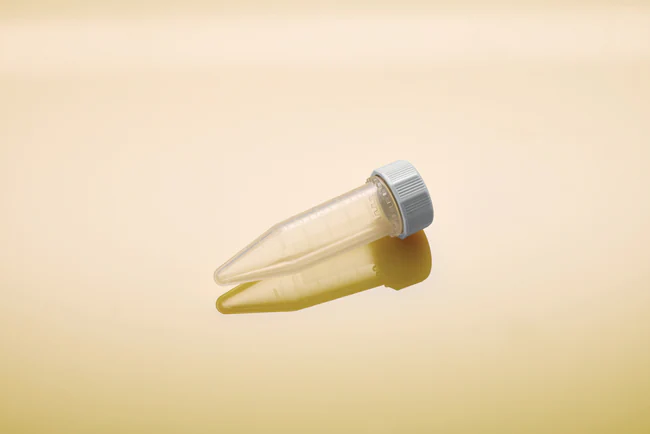
The use of consumables such as Eppendorf Tubes® BioBased and Deepwell BioBased Plates allows institutions to significantly reduce their carbon footprint. By choosing products manufactured with clean energy and renewable materials, the laboratory contributes directly to global sustainable development objectives, maintaining the maximum quality and purity (pyrogen-free, DNasas and RNasas) necessary for accurate results. biobased Proquinorte tubes
Enjoy our exclusive promotion!

It's time to update your laboratory with conscious technology.

Get a 20% discount on the entire BioBased range and other selected products .

Promotion code: PH1_EP26 .

Valid until: June 30, 2026 .


Artículos recomendados

See all
V Interdisciplinary Congress on Human Genetics (AEGH)
The Proquinorte team will be present at the Granada Conference Centre for the 5th Interdisciplinary Congress on Human Genetics (AEGH), a key meeting point for professionals in the clinical, research and diagnostic fields.
Unambiguous HLA typing: why full-length typing is a game-changer
HLA typing is a critical component in multiple areas of modern medicine: organ and bone marrow transplantation, clinical immunology, pharmacogenomics, and personalized medicine. However, for years, laboratories have faced a significant limitation: ambiguity in the results, especially when using short-read NGS-based methodologies.
PFAS: what they are and how to detect the “forever chemicals”
PFAS (per- and polyfluoroalkyl substances) are a family of more than 3,000 synthetic compounds that have been used since the 1940s in sectors as diverse as the textile, food, automotive, and chemical industries. Among the best known are PFOA, PFOS, and GenX.