If you work with high-precision PCR, you know that choosing a good polymerase isn't everything. Errors in reaction conditions, primer design, or enzyme activation can ruin your experiment. In this article, we review the most common mistakes when using high-fidelity polymerases and how to avoid them with practical recommendations, including examples using Ampliqon's AQ97 High Fidelity DNA Polymerase.


-
Categories


Blog
Here you will find up-to-date and relevant information about the advances in the medical field and the latest innovations in medical equipment.
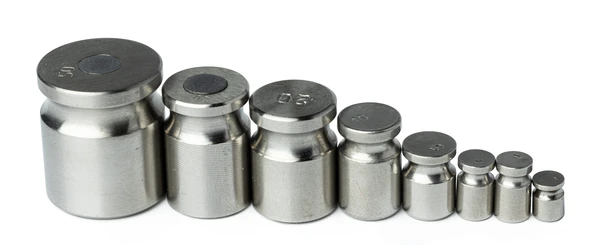
Beyond choosing a good scale, maintaining its reliability depends on a tool that often goes unnoticed, but is absolutely essential: standard weights.
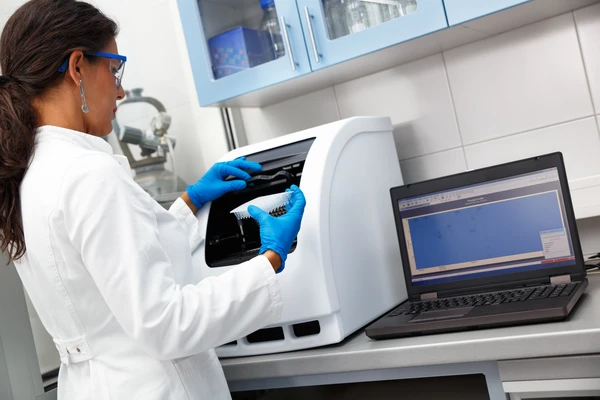
The choice of polymerase can make all the difference in your PCR results. In this post, we explain why high fidelity is key to avoiding errors and ensuring accurate DNA amplification.
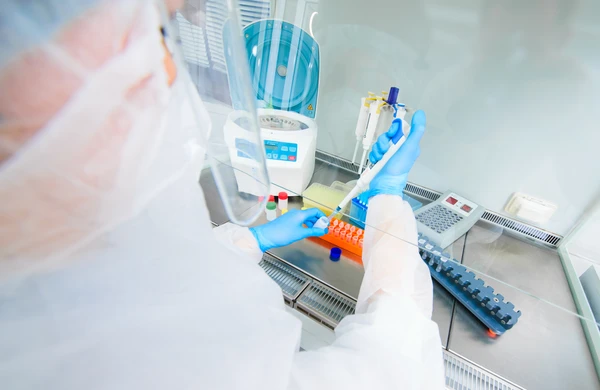
This entry highlights the importance of inline filters and pre-columns in HPLC systems, components often considered accessories, but which can have a decisive impact on system stability and column lifespan. The text explains their function as a barrier against particles and contaminants, how to select them correctly based on pore size, and how to determine when replacement is necessary. It also delves into the role of pre-columns as key elements for preventing permanent contamination and protecting the main stationary phase.
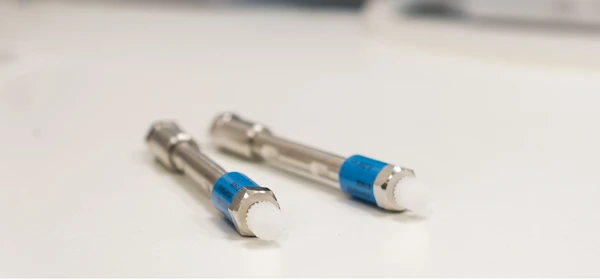
This entry draws attention to an often-overlooked component of the HPLC system: the injector. Although it may seem like a routine mechanical step, its malfunction can lead to distorted peaks, noise in the chromatogram, or reproducibility problems. The text offers key recommendations to ensure clean, reproducible, and safe injection, from proper sample dissolution and filtration to the mechanical maintenance of the injector and its components.
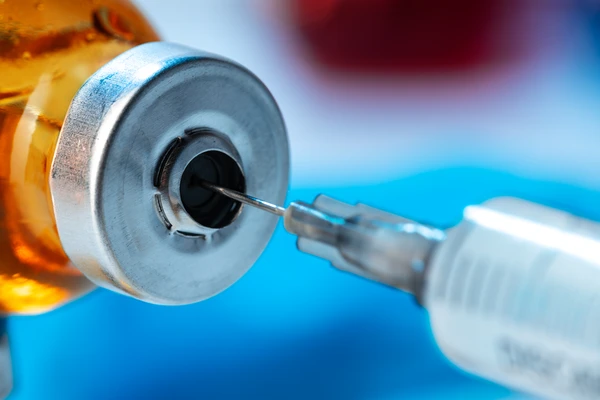
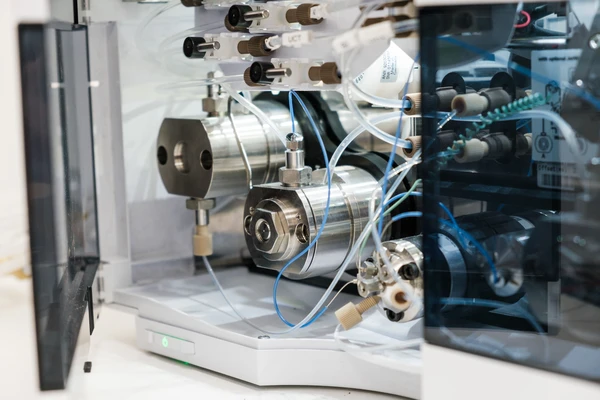
The pump is one of the most critical components in an HPLC system: its job is to maintain a constant and precise flow of the mobile phase. When it fails, the symptoms can be as subtle as a slight noise in the baseline or as obvious as a pressure spike.
In this post, we explain the differences between high- and low-pressure pumps, the most common signs of failure, and how good maintenance can prevent most problems. A practical read for those who know that the system's performance depends, to a large extent, on this small but vital component.
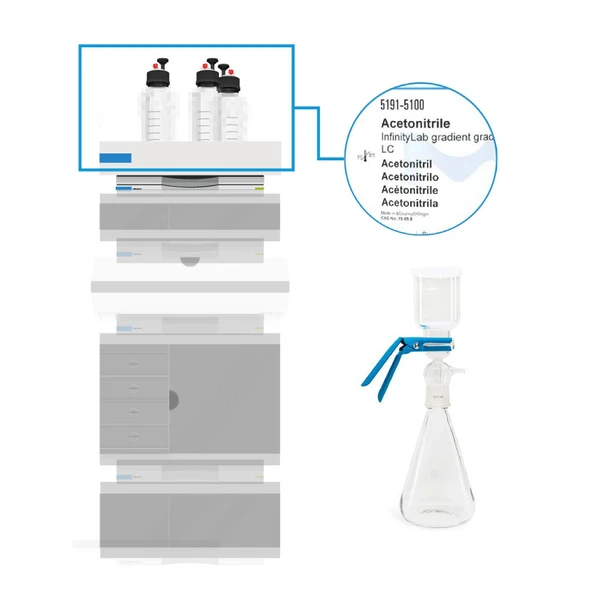
In this post, we discuss why mobile phase degassing is essential for achieving stable and accurate results in HPLC. We analyze the effects of dissolved gases on chromatographic analysis—such as baseline noise, retention variations, or bubbles in the system—and explain the most common techniques for removing them, from online degassing to the use of helium or sonication. We also include practical tips on solvent storage and best practices to avoid errors.
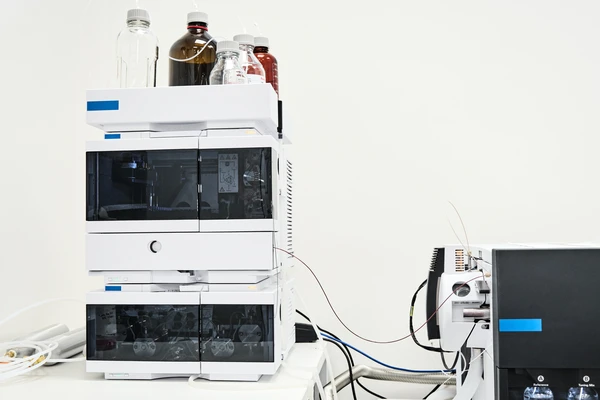
A guide designed for everyday laboratory use
In this series, we help you identify and solve the most common HPLC problems, from the pump to the detector.
Single-cell analysis has revolutionized molecular biology, enabling the study of cellular heterogeneity with unprecedented detail. However, until now, many researchers have encountered technological limitations that have restricted the scope of their studies. QuantumScale Single Cell RNA from Scale Biosciences is here to change that, offering a more flexible, scalable, and efficient solution .
Why is QuantumScale a turning point?
QuantumScale redefines what is possible in single-cell RNA sequencing, eliminating traditional barriers such as cost, scalability, and workflow complexity. Its technology enables the analysis of everything from small pilot studies to projects involving millions of cells on a single system, with an optimized and highly reproducible process.
Main advantages of QuantumScale
Total flexibility: adapt the analysis to the needs of the project, with kits that process from 84,000 to 4 million cells per run.
Greater efficiency: its optimized protocol reduces handling time by more than 75% without the need for specialized equipment.
Advanced multiplexing with ScalePlex: allows you to analyze up to 9,000 samples or conditions in a single run, facilitating multi-temporal or comparative studies.
High performance: with greater sensitivity in transcript detection and up to 70% cell recovery , guaranteeing high-quality data with low levels of multiplets.
Cost optimization: the most cost-effective solution per cell, sample and project , making single-cell RNA-seq more accessible than ever.
Quantum Barcoding: An innovative approach to mass labeling
One of QuantumScale's most significant innovations is its Quantum Barcoding technology , which consolidates multiple levels of barcoding into a single step , greatly simplifying workflow and reducing handling time. Thanks to this advancement, researchers can obtain faster and more reliable results in large-scale studies.
How can it transform your research?
QuantumScale is not only a solution to the current challenges of single-cell RNA-seq, but it also opens up new possibilities for more ambitious studies. Whether you're working with rare cell populations, cell atlas studies, or longitudinal experiments , this technology allows you to explore cell biology with unprecedented precision.
If you're looking to take your single-cell analysis to the next level, QuantumScale is the tool you've been waiting for .
📢 Contact us with any questions or inquiries.
#SingleCellRNA #QuantumScale #RNAseq #Science #Innovation
Incorporating sustainable practices in the lab doesn't have to be a challenge. Sometimes, it's enough to rethink how we use resources and think beyond the comfort of "we've always done it this way." If you're ready to transform your lab, here are some tips: